Top 10 Yellow Beeswax Manufacturers in China: Expert Guide to High-Quality Suppliers
2026-04-02
In the world of natural waxes, Chinese yellow beeswax is emerging as a game-changer, prized for its purity, versatility, and sustainable appeal. Yet, with so many suppliers competing for attention, finding the right one can feel like navigating a complex hive. That's where this guide comes in—we've sifted through the industry to bring you the top 10 yellow beeswax manufacturers in China, focusing on quality, reliability, and expert insights. As you explore these leading suppliers, you might also want to check out XUSHI, a name that's gaining traction for its commitment to excellence. Ready to uncover the secrets behind high-grade beeswax? Let's dive in and help you make an informed choice for your next project.
Leading Producers of Yellow Beeswax Across China
Yellow beeswax, cherished for its natural golden hue and versatile applications, finds its heart in China's diverse landscapes, where specific regions have emerged as key hubs for production. The lush, flower-rich provinces of Zhejiang and Jiangsu in the east are renowned for their high-quality output, thanks to a harmonious blend of mild climates and extensive apiculture traditions. These areas not only yield beeswax with a distinct, warm color but also support local economies through sustainable beekeeping practices that have been refined over generations.
In the southwestern reaches, Sichuan and Yunnan stand out for their unique contributions, where the diverse flora—ranging from wild mountain blossoms to subtropical plants—imparts subtle aromatic notes to the beeswax. This regional character sets it apart in the global market, appealing to artisans and industries seeking premium, locally-sourced materials. Beyond mere quantity, these producers emphasize artisanal techniques, such as careful filtration and slow extraction methods, which enhance the wax's purity and texture without relying on industrial shortcuts.
Meanwhile, northern regions like Inner Mongolia and Heilongjiang add another layer to China's production tapestry, with their vast, pesticide-free grasslands offering ideal conditions for bees to thrive. This results in beeswax that is not only abundant but also prized for its minimal chemical residues, aligning with growing consumer demands for eco-friendly products. By focusing on niche markets and fostering cooperatives, these producers are redefining quality standards, ensuring that China's yellow beeswax remains a benchmark for natural excellence worldwide.
Specialized Techniques in Beeswax Extraction and Refinement
Gone are the days of simply melting wax in a pot; today's beekeepers leverage innovative methods like centrifugal extractors and solar wax melters to efficiently gather raw beeswax. Centrifugal extraction, for instance, uses gentle spinning forces to separate wax from honeycombs without excessive heat, preserving its natural aroma and structure. This approach minimizes waste and maintains the wax's purity, making it ideal for high-quality applications. Meanwhile, solar melters harness the sun's energy to slowly liquefy wax, a sustainable method that reduces carbon footprint while yielding a cleaner product with fewer impurities.
Refinement processes have evolved beyond basic filtering, with techniques like steam distillation and cold pressing taking center stage. Steam distillation gently separates beeswax from residual honey, propolis, and debris, using controlled temperatures to avoid damaging its delicate compounds. This results in a light-colored, odor-neutral wax perfect for cosmetics and pharmaceuticals. On the other hand, cold pressing involves mechanically pressing raw wax at low temperatures, which retains more of its natural enzymes and antioxidants, appealing to artisanal markets. Both methods prioritize minimal chemical interference, ensuring the wax retains its therapeutic properties and versatility.
What truly sets modern beeswax refinement apart is the focus on customization and sustainability. Techniques like fractional crystallization allow producers to isolate specific wax components, tailoring products for niche uses such as organic candles or eco-friendly polishes. Additionally, biodegradable enzyme treatments are gaining traction, breaking down contaminants without harsh solvents, aligning with green initiatives. These advanced methods not only enhance wax quality but also support ethical beekeeping practices, fostering a holistic approach that benefits both the environment and end-consumers seeking pure, responsibly sourced materials.
Key Factors Influencing Beeswax Quality and Purity Standards
The quality and purity of beeswax, a natural substance vital in beekeeping and various industries like cosmetics and pharmaceuticals, depend on several interconnected factors. One primary influence is the source of the beeswax itself, including the health of the bee colonies and their environment. Waxes from healthy bees in pesticide-free, floral-rich areas tend to be cleaner and more consistent. Additionally, the harvesting and processing methods play a crucial role; improper techniques can introduce contaminants or degrade the wax's natural properties. By prioritizing these sources and methods, producers can ensure a higher-grade product that meets stringent purity standards.
Another significant aspect is the filtration and purification process. Raw beeswax contains impurities like pollen, propolis, and debris, which must be removed to achieve desired purity levels. Techniques such as filtration through fine meshes or melting and skimming are commonly used, but the thoroughness of these steps directly impacts the final quality. The temperature control during processing is also key, as excessive heat can alter the wax's chemical structure, affecting its color, texture, and performance in applications. Adhering to precise protocols here helps maintain the wax's integrity and compliance with industry benchmarks for purity.
Environmental and storage conditions further influence beeswax standards. Exposure to moisture, light, or contaminants during storage can lead to degradation or microbial growth, compromising its quality. Proper packaging in airtight containers and storage in cool, dark places are essential to preserve freshness and prevent spoilage. Moreover, regulatory frameworks and certification programs set by organizations like the International Beeswax Association ensure that quality parameters—such as melting points, color consistency, and absence of additives—are consistently met. By mastering these multifaceted factors, stakeholders can produce beeswax that not only meets but often exceeds established purity norms, enhancing its usability across diverse sectors.
Innovative Applications and Product Offerings from Top Suppliers
Leading suppliers in today's market are redefining what's possible by integrating cutting-edge technologies into their product lines. For instance, advanced robotics and AI-driven automation systems are not just streamlining production but enabling entirely new capabilities, such as predictive maintenance that minimizes downtime. These innovations translate into tangible benefits for users, from enhanced efficiency to improved customization, making operations more agile and responsive to real-time demands.
Beyond hardware, top suppliers are also excelling in software solutions that complement their physical offerings. Cloud-based platforms and IoT-enabled devices create seamless ecosystems, allowing for remote monitoring and data analytics that drive smarter decision-making. This holistic approach ensures that products are not standalone items but interconnected components of a larger, more intelligent workflow, fostering collaboration and scalability across industries like manufacturing, healthcare, and logistics.
In addition, a focus on sustainability and user-centric design sets these suppliers apart. By developing eco-friendly materials and energy-efficient systems, they address global challenges while enhancing product longevity. This commitment to innovation, combined with personalized support and forward-thinking strategies, empowers clients to not only meet current needs but also adapt to future trends, solidifying their competitive edge in a fast-evolving landscape.
Industry Insights: Trends and Sustainability Practices in China's Beeswax Sector
China's beeswax sector is increasingly shaped by a focus on eco-friendly production methods and market adaptability. With growing consumer awareness about natural products, there's a push towards sustainable harvesting that minimizes environmental impact, such as using non-invasive techniques to protect bee populations. This trend is complemented by technological innovations in processing, which enhance quality without compromising ecological balance, making Chinese beeswax more competitive globally while meeting demand for ethical sourcing.
Sustainability practices in the industry are evolving beyond basic conservation efforts to include broader initiatives like organic certification and waste reduction. Many producers are adopting circular economy principles, repurposing by-products from beeswax extraction for other applications, such as cosmetics or food packaging, thereby reducing waste and creating additional revenue streams. This holistic approach not only strengthens supply chain resilience but also appeals to environmentally conscious buyers seeking transparent, green alternatives in the market.
Another key trend is the integration of digital tools and data analytics to optimize production and distribution. By leveraging IoT sensors and blockchain technology, companies can track beeswax from hive to final product, ensuring authenticity and sustainability credentials. This digital transformation helps build trust with international customers, positioning China's beeswax sector as a leader in both innovation and responsible practices, ready to navigate future challenges like climate change and regulatory shifts.
How to Identify and Select Reliable Yellow Beeswax Manufacturers
Finding a trustworthy yellow beeswax supplier can feel overwhelming with so many options out there. A good starting point is to look beyond flashy websites and focus on the nitty-gritty details. Check if the manufacturer openly shares information about their sourcing practices—are the hives ethically managed, and do they use sustainable methods? Reliable producers often provide third-party certifications, such as organic or non-GMO verifications, which add a layer of credibility. Don’t just take their word for it; ask for batch-specific test reports that confirm purity levels and absence of contaminants like pesticides or heavy metals. This upfront transparency usually signals a company that values quality over quick sales.
Another key factor is engaging directly with the manufacturer through inquiries or visits, if possible. Pay attention to how responsive and knowledgeable they are about their products. Do they explain the differences between filtered and unfiltered beeswax, or how color variations occur naturally? A dependable partner will educate you without pushing for a sale, offering insights into their production timeline and capacity. This helps gauge whether they can meet your volume needs consistently, avoiding delays or quality drops. Plus, exploring customer reviews and case studies—especially from long-term clients—can reveal patterns of reliability or red flags that aren’t obvious in marketing materials.
Finally, consider the broader impact of your choice. Opting for manufacturers who support local beekeepers or engage in eco-friendly initiatives not only ensures a superior product but also aligns with ethical standards. Look for those who collaborate with beekeeping associations or participate in conservation projects, as this often translates to more rigorous quality control. By prioritizing these aspects, you’ll likely find a supplier that delivers consistent, high-grade yellow beeswax while fostering a sustainable partnership, making your selection process less about guesswork and more about informed confidence.
FAQ
When selecting a Chinese yellow beeswax supplier, prioritize factors like product purity, certifications such as ISO or organic standards, production capacity, customization options, and reliable delivery times. Checking customer reviews and supplier history can also help ensure quality and consistency.
To verify quality, request samples from manufacturers to test for purity and melting point. Look for suppliers that provide third-party lab reports, adhere to international standards like GMP, and have transparent sourcing practices for beeswax raw materials.
Leading manufacturers often invest in advanced refining technologies, maintain strict quality control, offer eco-friendly or sustainable options, and provide comprehensive customer support. Their experience and reputation in exporting globally also set them apart.
Yes, regions like Yunnan, Sichuan, and Inner Mongolia are renowned for high-quality yellow beeswax due to their rich floral biodiversity and traditional beekeeping practices. These areas often produce beeswax with unique characteristics and purity.
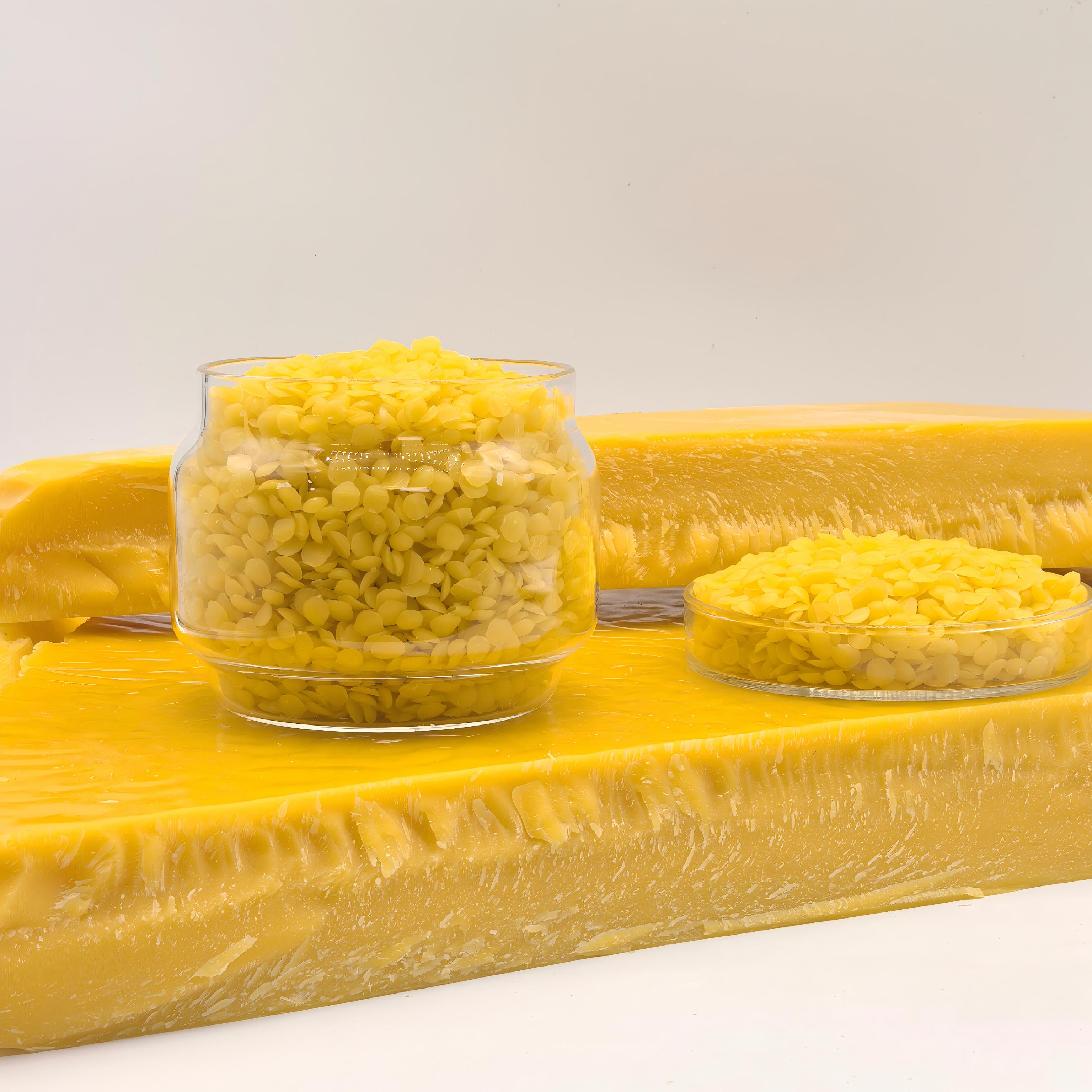
Many manufacturers offer customization in terms of color, purity levels, melting points, and packaging formats (e.g., blocks, pellets, or flakes). Some may also tailor products for specific applications like cosmetics, pharmaceuticals, or food industries.
Top suppliers implement sustainable beekeeping methods, partner with local beekeepers for traceable raw materials, and avoid harmful chemicals in extraction. Certifications like Fair Trade or organic labels often indicate a commitment to ethical practices.
Challenges include logistics delays, quality inconsistencies, and regulatory compliance. Mitigate these by working with experienced suppliers, conducting pre-shipment inspections, using reliable freight forwarders, and staying updated on import regulations in your country.
Conclusion
China's yellow beeswax industry is led by top manufacturers renowned for their production scale and quality control. These producers, spanning key regions, have mastered specialized techniques in extraction and refinement, ensuring high purity through methods like filtration and natural purification. Factors such as beekeeping practices, processing environments, and adherence to international standards significantly influence beeswax quality, with top suppliers often achieving over 95% purity. Their innovative offerings include medical-grade wax, cosmetics, and eco-friendly packaging, catering to diverse global markets.
Industry trends highlight a shift towards sustainable practices, with manufacturers adopting organic beekeeping and reducing waste. To identify reliable partners, buyers should assess certifications, customer reviews, and transparency in sourcing. This expert guide empowers decision-makers with insights into China's beeswax sector, emphasizing how top suppliers blend tradition with innovation to deliver superior products. By focusing on these aspects, stakeholders can navigate the market effectively and secure high-quality yellow beeswax for various applications.
Contact Us
Contact Person: Alan Zhu
Email: [email protected]
Tel/WhatsApp: 8613931838766
Website: https://www.cnxushibeeswax.com